This is a learning route, not a rigid walkthrough. It uses the official premise and visible game cues to help you make better decisions even when the situation changes.
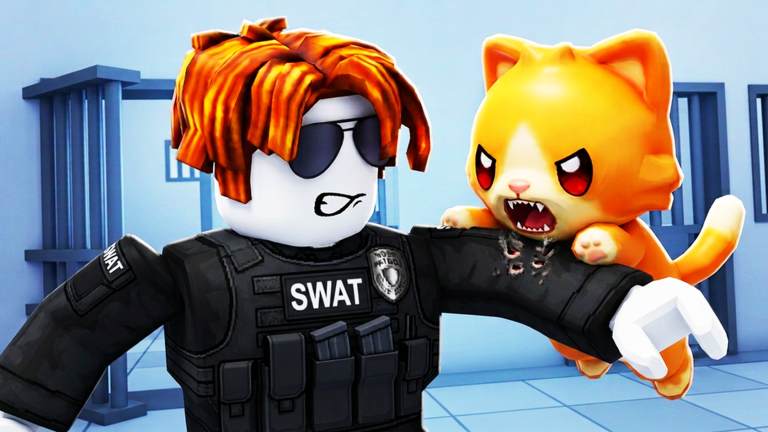
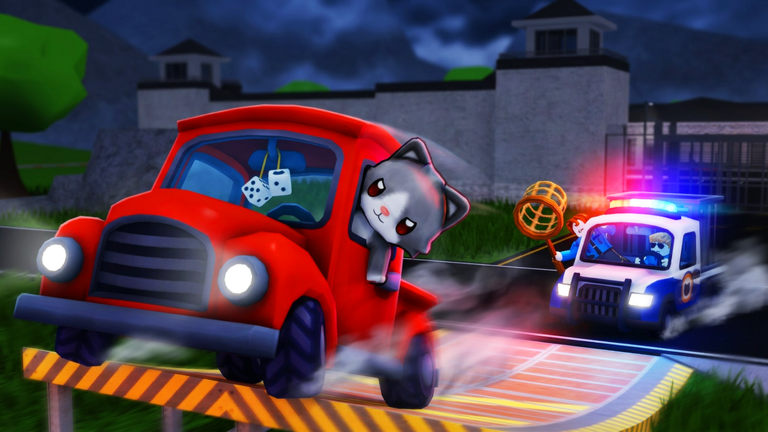
Do not memorize a fake script. Official media shows digging, a Helping indicator, a pet facing SWAT, and a vehicle pursuit. It does not prove that every round contains the same steps in the same order.
FIELD PLAN / BEGINNER
THE FIVE-MOVE RUN
01
MINUTE 1
Read the scene before moving
Use the first moments to spot police pressure, other pets, and the clearest escape activity. Official media shows digging as one escape scene, but do not assume every round will begin the same way.
Success: you can name the safest visible opportunity.
02
MINUTE 2
Finish one useful action
Commit to the safest visible escape opportunity instead of changing plans every few seconds. If a shared progress prompt appears, watch whether nearby pets are already supporting it before you move on.
Success: you finish one action without needless switching.
03
MINUTE 3
Create space from the police
After getting out, avoid running straight through the busiest danger. Use corners, cover, and a route you can actually read rather than copying a chase you have not practiced.
Success: you reach a position where you can choose your next move.
04
MINUTE 4
Treat robbery as a route problem
The official description confirms store robbery. Before committing, identify how you will approach and how you will leave. Clean repetition teaches more than one reckless attempt.
Success: your approach includes a planned way out.
05
MINUTE 5
Review the first failure
Ask one question: did you lose time escaping, get caught during movement, or overstay the robbery? Fix only that weak point on the next attempt.
Success: you identify one decision to change next run.
When the escape is busy
READ PRESSURE BEFORE SPEED
Official media depicts a pet facing SWAT. That confirms only the scene shown, not which actions or outcomes are possible. A conservative strategy is to first decide whether the scene gives you room to act, a route to disengage, or a reason to wait.
When movement opens up
KEEP THE NEXT TURN VISIBLE
A vehicle pursuit appears in official media. If you enter a fast chase, judge your route by how clearly you can read the next turn—not by how dramatic the current line looks. Exact controls are deliberately omitted because no official control list was verified.
A simple decision rule
IF THIS, THEN THAT
Police pressure is closeCreate space before committing to a robbery attempt.
The route is unclearPause long enough to identify one safe direction.
The first plan failsReview that decision; do not change everything at once.